Journal · Home Wellbeing
Light and Our Inner Rhythm
How light shapes the way we live, feel and experience our homes
Published · June 2026

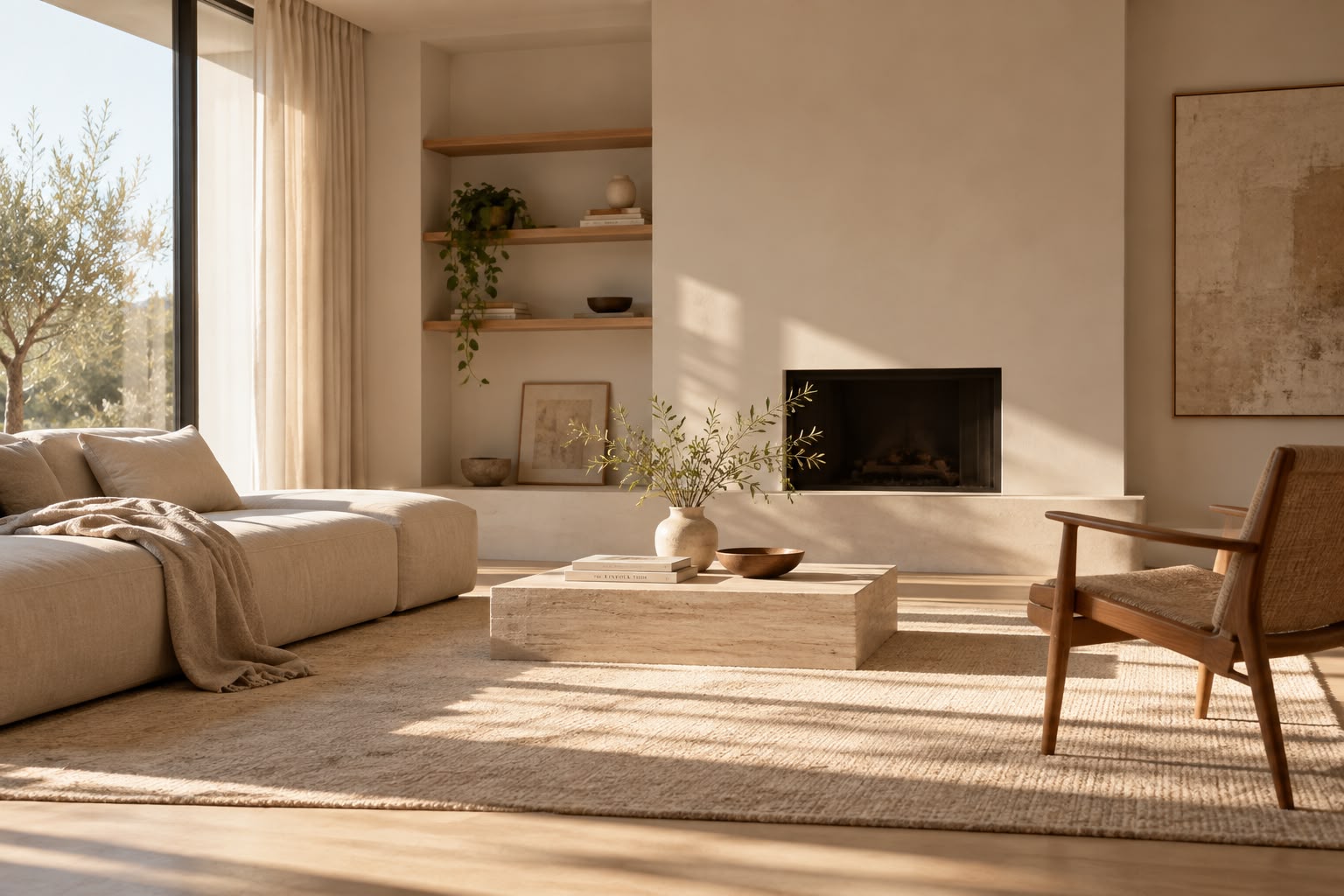
Light is one of those elements of an interior that we experience almost without thinking. We notice a beautiful lamp, the warmth of the evening sun or a ray of light falling across a wall, but we rarely stop to consider how profoundly light shapes both our homes and our everyday lives.
For thousands of years, human life followed the natural rhythm of daylight. The day began with sunrise and activity gradually slowed as darkness arrived. Summer brought long, light evenings, while winter meant shorter days and a different pace of life. Our routines naturally adapted to the changing seasons and to the light around us.
Today, artificial lighting gives us extraordinary freedom. At the touch of a switch, we can extend the day almost indefinitely. We can work, cook, read and socialise long after sunset.
But our bodies have not stopped responding to the natural cycle of light and darkness.
This is why I believe that when we design the lighting of a home, we should think beyond where to place a lamp or how beautiful a fitting looks. We should also consider how much light we need, what kind of light we are surrounded by, and at what time of day we experience it.
Light is not only for seeing
Light allows us to see our surroundings, but it is also one of the most important environmental signals for our internal biological clock.
Our bodies follow an approximately 24-hour cycle known as the circadian rhythm, which is involved in regulating sleep, wakefulness and many other physiological processes. Light reaching our eyes helps our body understand where we are within that cycle.
During the day, exposure to sufficient light supports alertness and helps reinforce the signal that it is time to be active. As evening approaches and light levels fall, our physiology begins to prepare for rest. Melatonin, a hormone closely associated with the timing of sleep, naturally rises in dim-light conditions in the evening. Bright light late in the day or at night can delay or suppress that response.
It does not mean that we should spend our evenings sitting in darkness. It simply means that good lighting should be able to change throughout the day, just as our needs change.
Natural light is constantly changing
Think about natural light over the course of a day.
The light at sunrise is not the same as the light at midday, and neither resembles the light just before sunset. Its intensity, direction and spectral composition are continually changing. Weather, season, latitude and the orientation of a building change it further.
We have evolved surrounded by this variation.
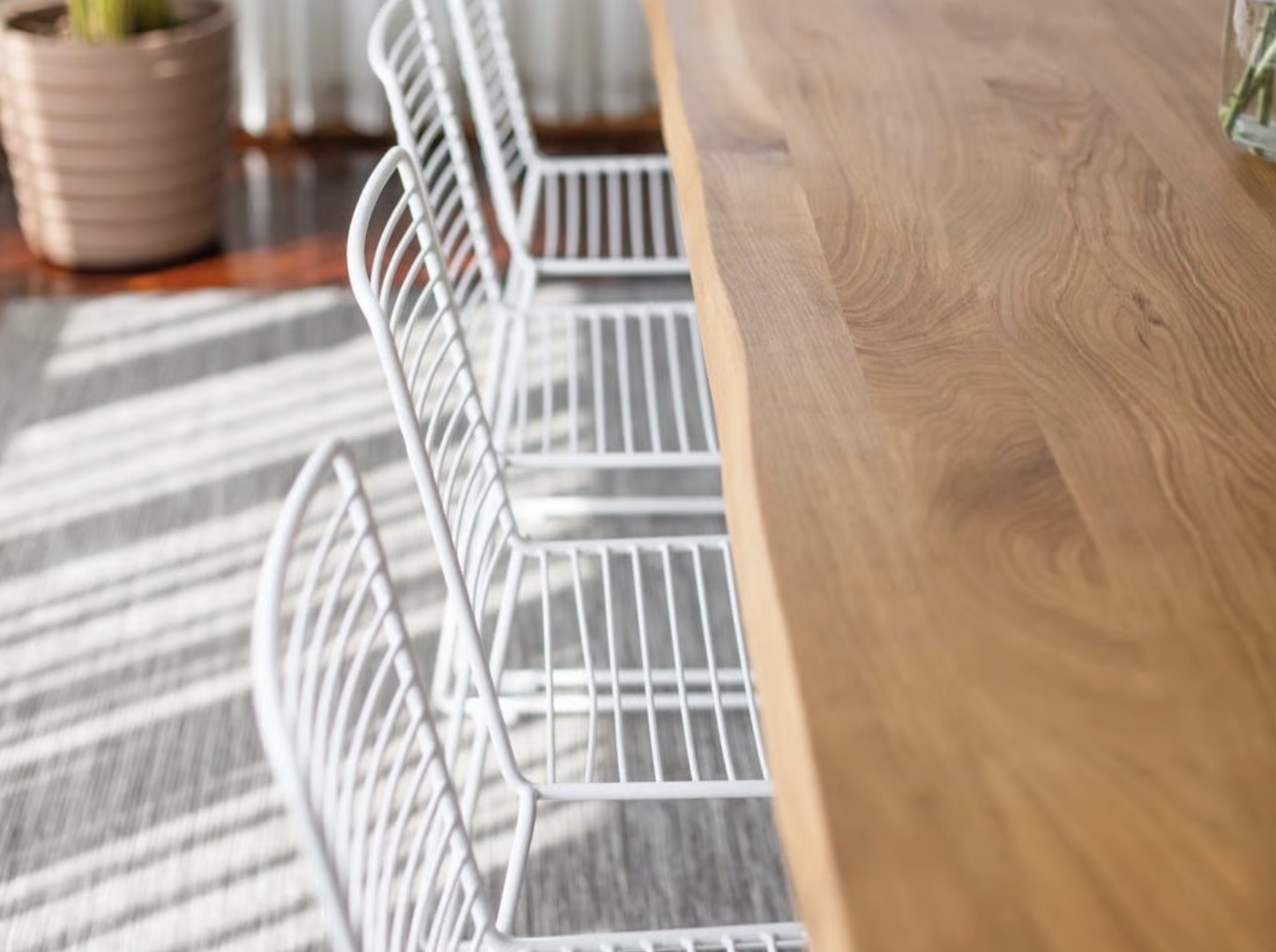
Our interiors, however, can easily do the opposite. We may spend much of the day inside buildings where the light reaching our eyes is considerably lower than outdoors, only to come home in the evening and illuminate every room brightly until the moment we go to bed.
A useful principle is surprisingly simple: plenty of appropriate light during the day, much less light in the hours before bedtime, and as much darkness as possible while we sleep.
Rather than thinking about lighting as something static, we can therefore begin to think of it as a rhythm.
And what about Kelvin?
When choosing a light bulb or luminaire, we often see a number followed by the letter K.
Kelvin (K) describes the colour appearance of light — not its intensity.
Lower colour temperatures, such as around 2200–2700K, appear warmer and more golden. Around 2700–3000K is very common in residential interiors. Higher values appear increasingly neutral or cool.
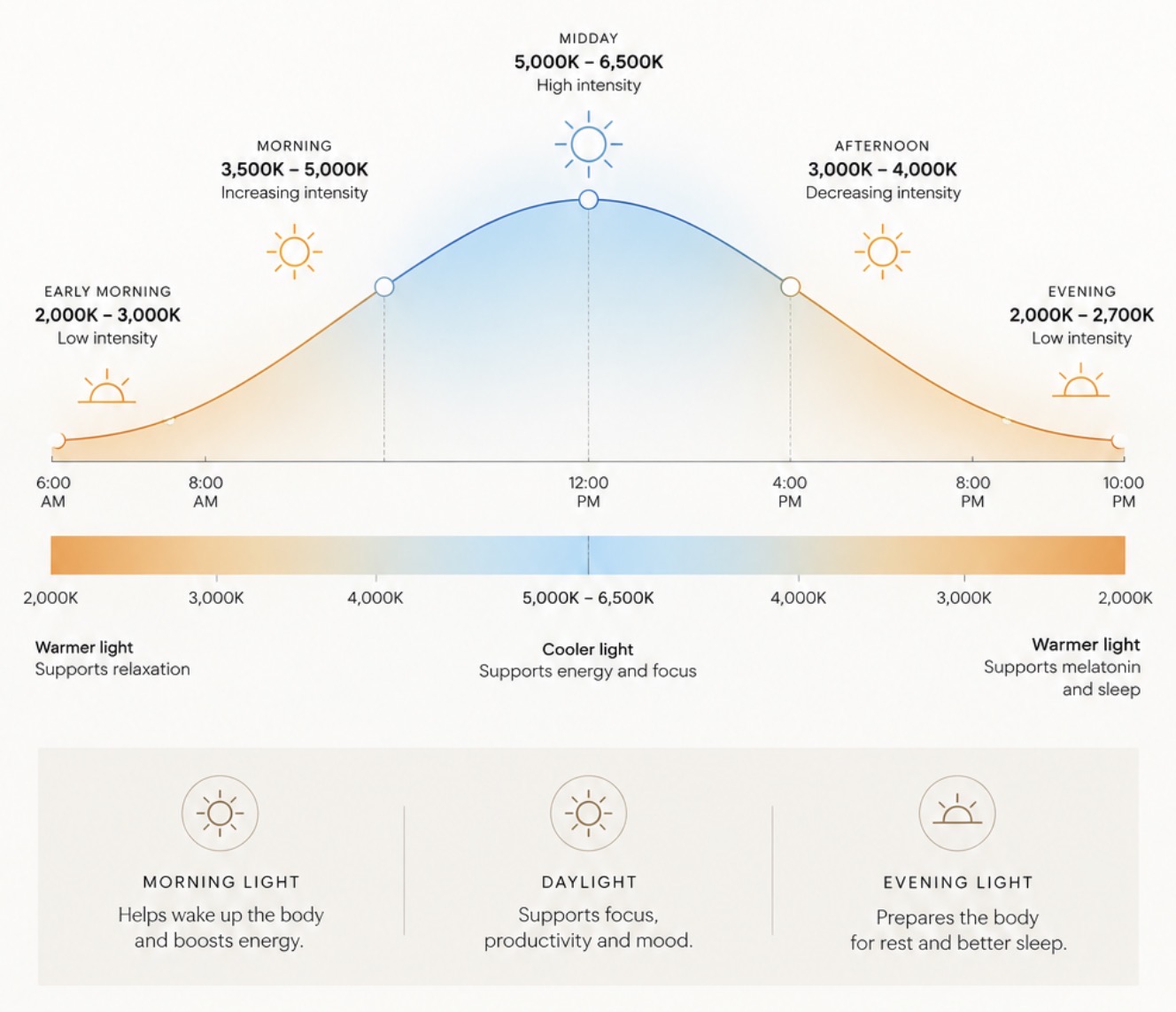
But there is an important distinction.
For our homes, I find it much more useful to ask a different question: what do we need this light to do at this particular moment of the day?
One home, different light
In the morning, daylight should be welcomed wherever possible. Opening curtains and blinds and spending time close to a window — or outdoors — gives the body a much stronger daytime signal than remaining in a dim interior.
As the day progresses, our homes need to support activity. A kitchen worktop, a desk or a place where we read requires sufficient functional light. Good task lighting is not simply about brightness; it should make what we are doing comfortable and visually clear.
In the evening, our needs change.
This is where layers of light become particularly important.
Instead of relying on a single bright ceiling fixture, a room can gradually transition towards table lamps, floor lamps, wall lights and indirect lighting. The overall level of illumination can fall, light can become warmer and the atmosphere naturally becomes quieter.
And in the bedroom, we no longer need light telling us: the day is still going. We need light that allows the day to end.
Light changes the way we see an interior
There is another reason lighting is such an important part of interior design.
Light changes the interior itself.
The same wall colour, timber, stone or fabric can look surprisingly different in morning daylight and under artificial light in the evening. Warmer light can emphasise earthy colours, timber and certain textures, while cooler light may give exactly the same materials a completely different character.
Colour depth changes. Contrast changes. Shadows change. Even our perception of texture can change.
This is why selecting a beautiful paint colour or material is only part of the process. We also need to consider the light in which we will actually experience it.
Whenever possible, I like to look at samples of paint, fabric, timber and stone in the actual space and at different times of day. A colour that looks perfect in a showroom can tell a very different story once it arrives home.
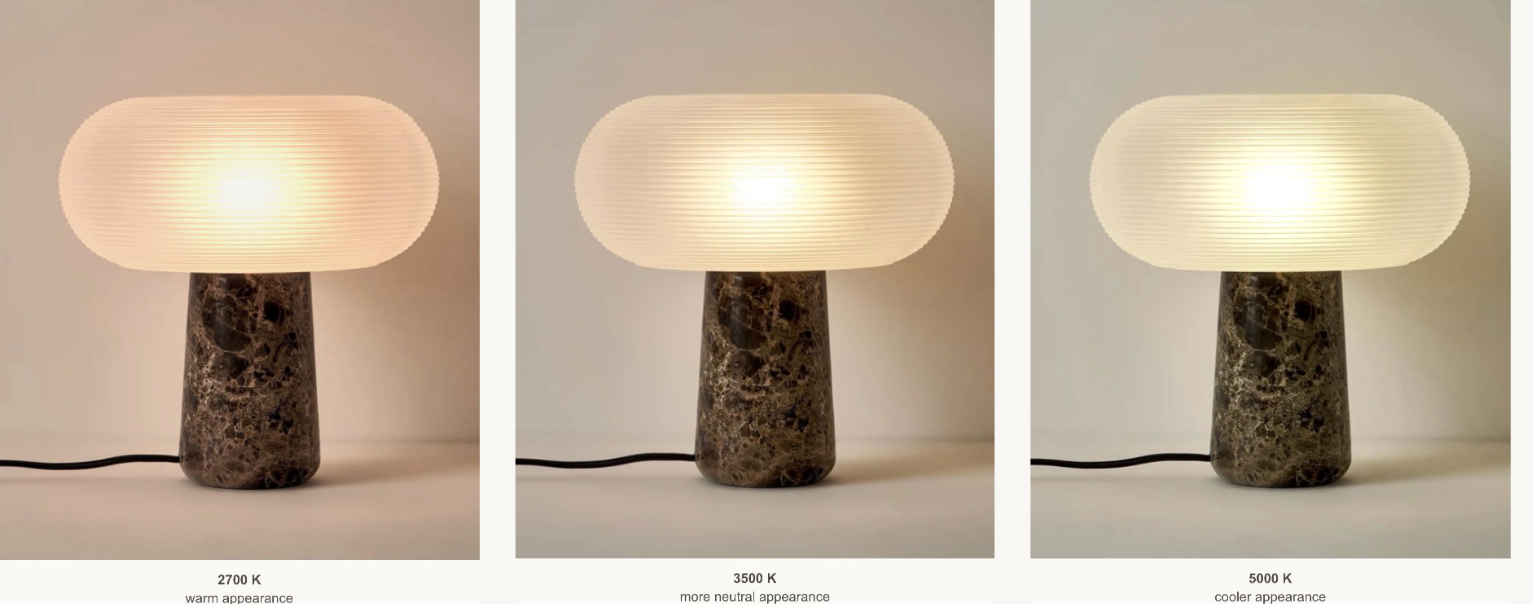
One lamp, three colour temperatures — the object stays the same; the perceived atmosphere changes.
When lighting becomes art
And then there is the light fitting itself.
For me, lamps are not simply functional objects placed in a room because we need to see.
Some luminaires are almost sculptures made with light.
Their proportions, materials and form can give a room character even when they are switched off. When illuminated, another dimension appears: the way the light is diffused, the shadows it creates and the surfaces it reveals.
A statement pendant can define a dining area. A floor lamp can create an intimate corner within a larger room. A wall light can reveal the texture of plaster, stone or timber. A small table lamp can create a pool of warm light that completely changes the atmosphere of an evening.
And sometimes the most beautiful lighting is almost invisible — an architectural source that disappears and allows us to experience only its effect.
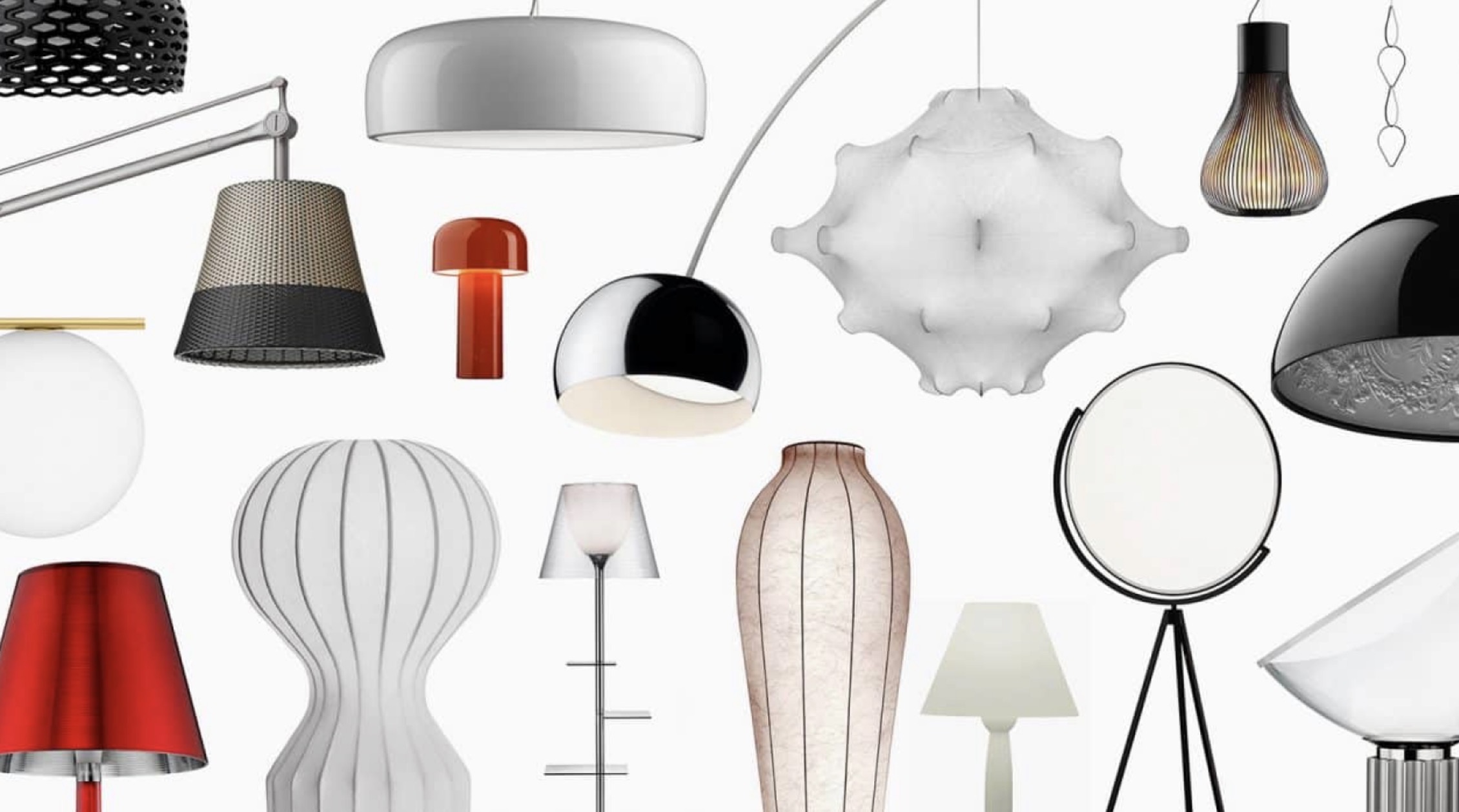
This is what makes lighting so fascinating to me. It can be functional. It can shape atmosphere. And it can be a design element in its own right. Good lighting brings all three together.
A few simple ways to think about light at home
You do not need to redesign your entire lighting scheme to begin noticing how light affects your home.
- Start the day with daylight. Open curtains and blinds and allow natural light into the home. Where possible, spend some of the morning close to a window or outdoors rather than beginning the entire day under artificial light.
- Think in layers rather than one switch. A well-designed room rarely depends on one central light source. General lighting, task lighting, decorative lamps and indirect light can work together, allowing the room to adapt to different activities.
- Give specific activities the light they need. Cooking, reading, working, applying make-up or simply having dinner do not require the same lighting conditions.
- Let the light become softer in the evening. Reduce overall brightness and use lower, warmer and more indirect sources as the evening progresses. Dimmers and independently controlled lamps make this much easier.
- And finally, look at the room itself. The architecture, orientation, colours, materials and way you live all influence what kind of lighting will work best.
There is no single Kelvin value, lamp or lighting formula that is right for every home.
Light as part of the design of a home
Good lighting is not simply a technical layer that we add at the end of an interior project.
It can reveal materials, transform colour, create depth, draw attention to a piece of art or an architectural detail, and completely change how a space feels.
For this reason, I think about light from the very beginning. When planning a layout, I consider the orientation of windows, the movement of the sun during the day and the way natural light enters each room. I then build layers of artificial lighting around that rhythm.
The result is a home that supports the people living in it — not only during the day, but throughout the whole day, from the first moment of morning light to the quiet of the evening.